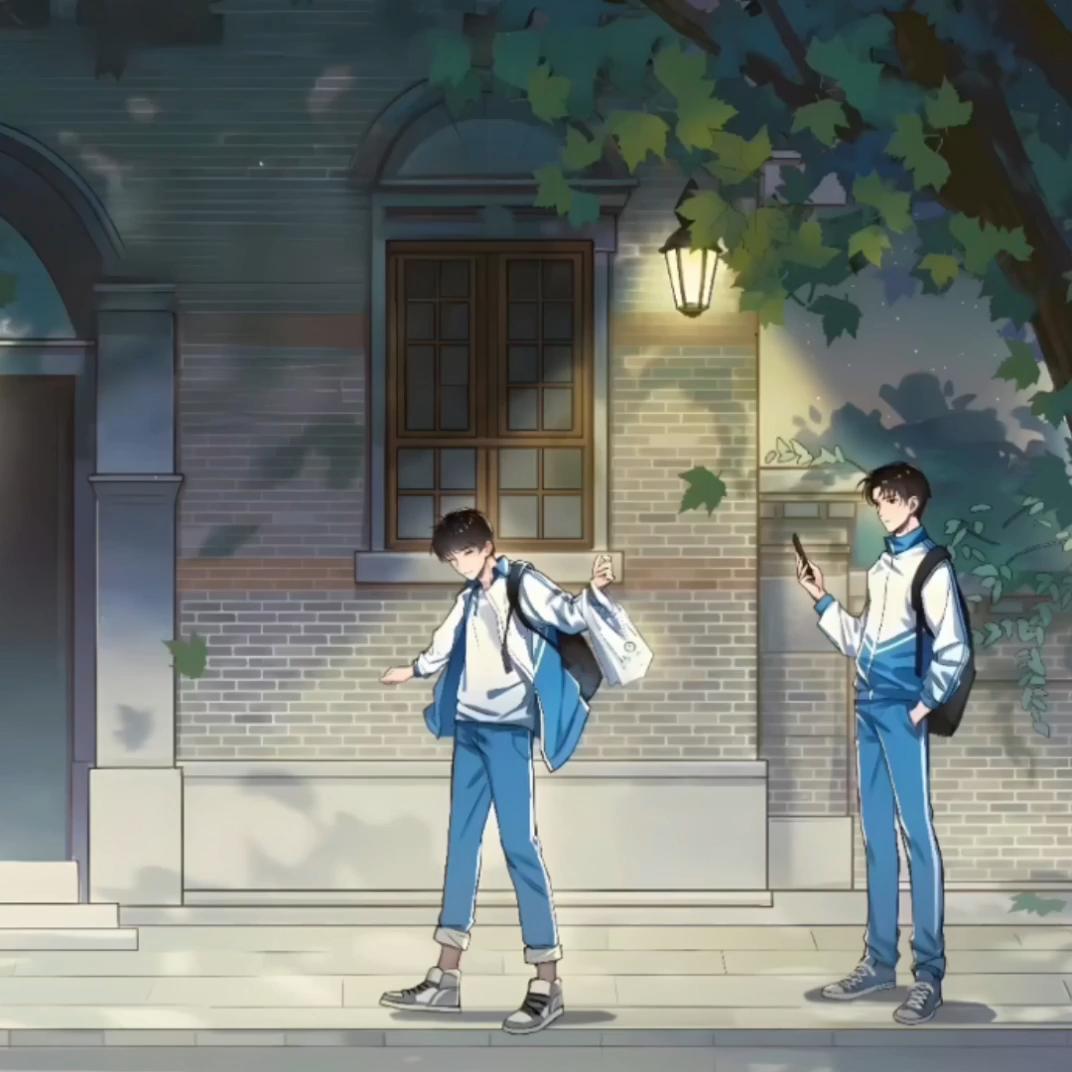
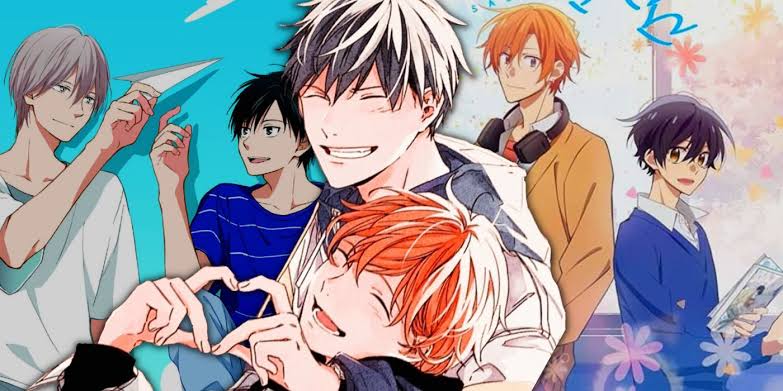
Background of BL
- Originated in Japanese, more popular in Asian world
- Focus on Boy LOVE
Primary Source
BL Story Type
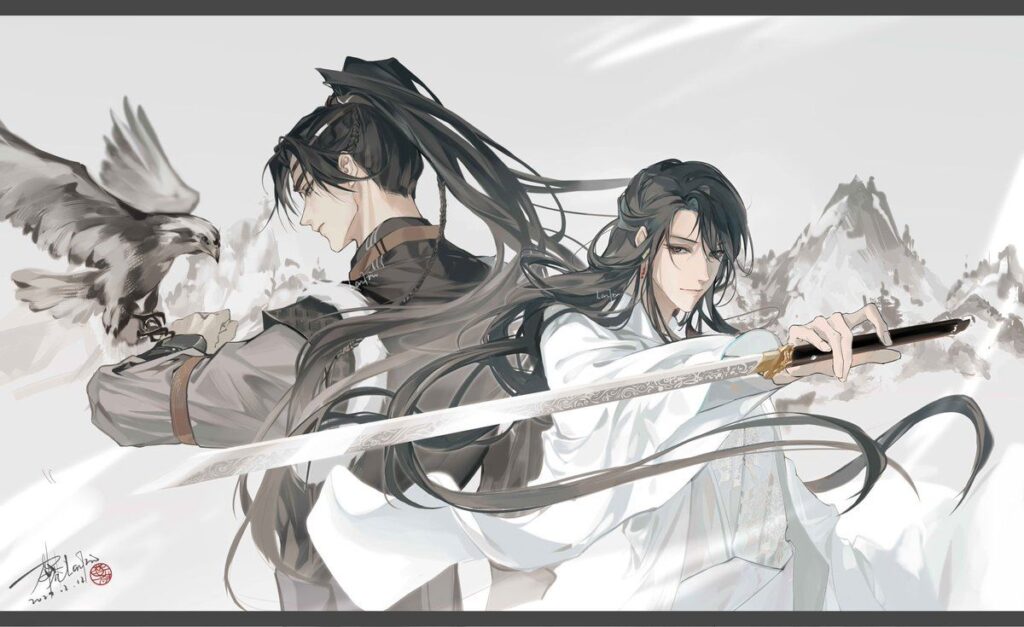
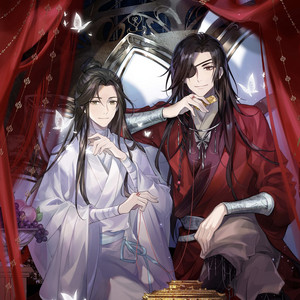
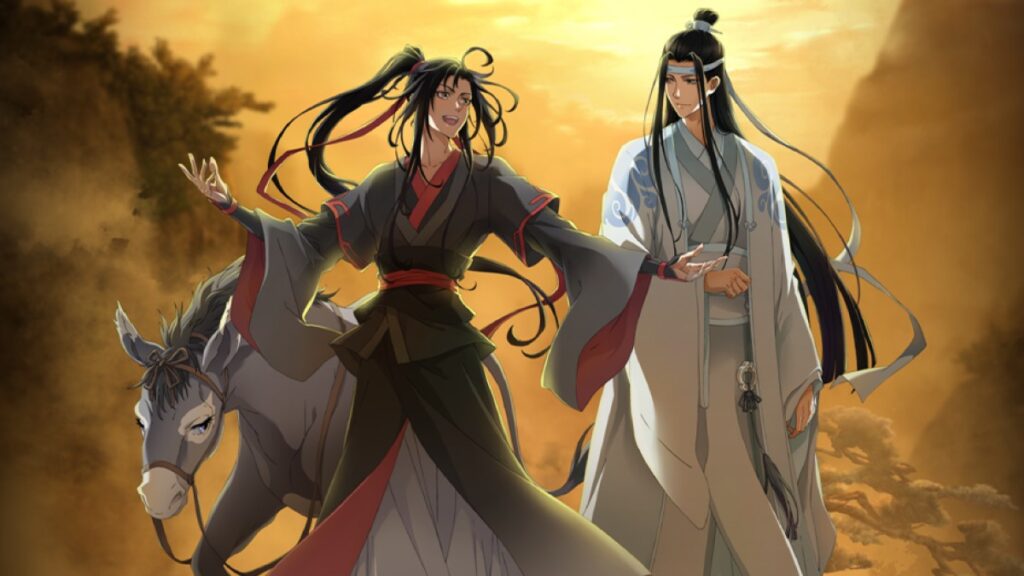
- Ancient Cultivation/Time-Travel Danmei:Set in fictionalized historical or xianxia worlds, often incorporating fantasy elements like reincarnation and spiritual cultivation.
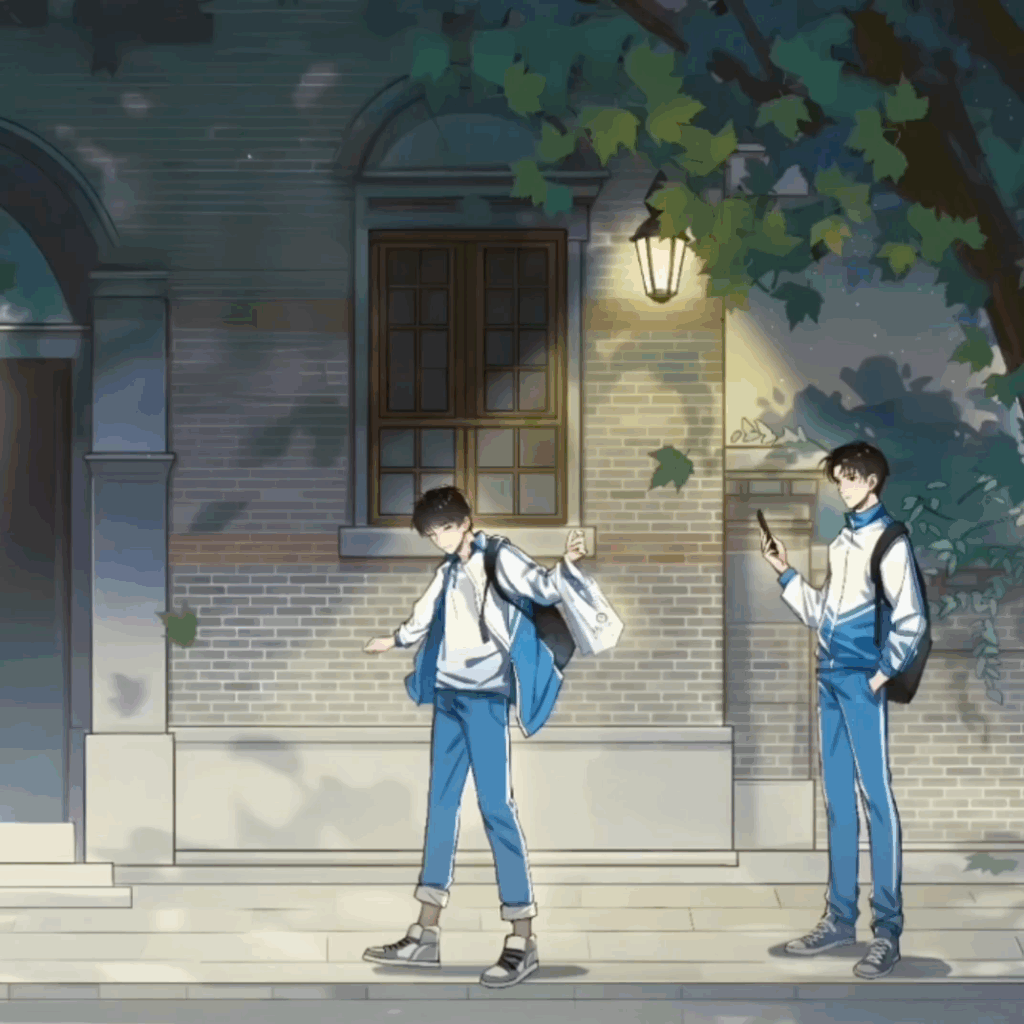
- Modern Urban Campus Danmei: Grounded in realistic depictions of contemporary China, frequently centered around school life or urban professional settings.
World building and Social and cultural reflection
Ancient danmei fiction constructs its worlds through profound influences from Chinese mythology and historical legends, establishing a clearly stratified power hierarchy via cultivation ranks, sect rivalries, and magical artifacts. The narrative devices of time loops and reincarnation allow protagonists to redress past regrets or unravel historical mysteries, while the third-person perspective emphasizes destiny and collective morality over individual psychology, creating an atmosphere of grandeur and predestination. These works frequently employ the “clash between righteousness and evil” as a metaphor to critique Confucian values—for instance, master-disciple romances symbolically subvert filial piety norms—thereby using fantasy frameworks to facilitate profound reflections on tradition.
Modern danmei fiction employs a highly realistic narrative approach to profoundly reflect the structural contradictions during China’s social transformation period and the psychological dilemmas faced by the younger generation.
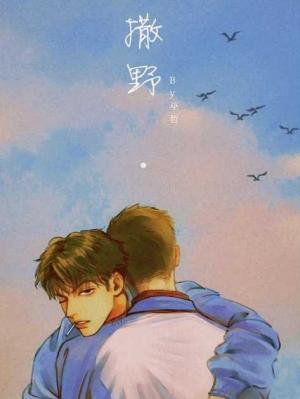
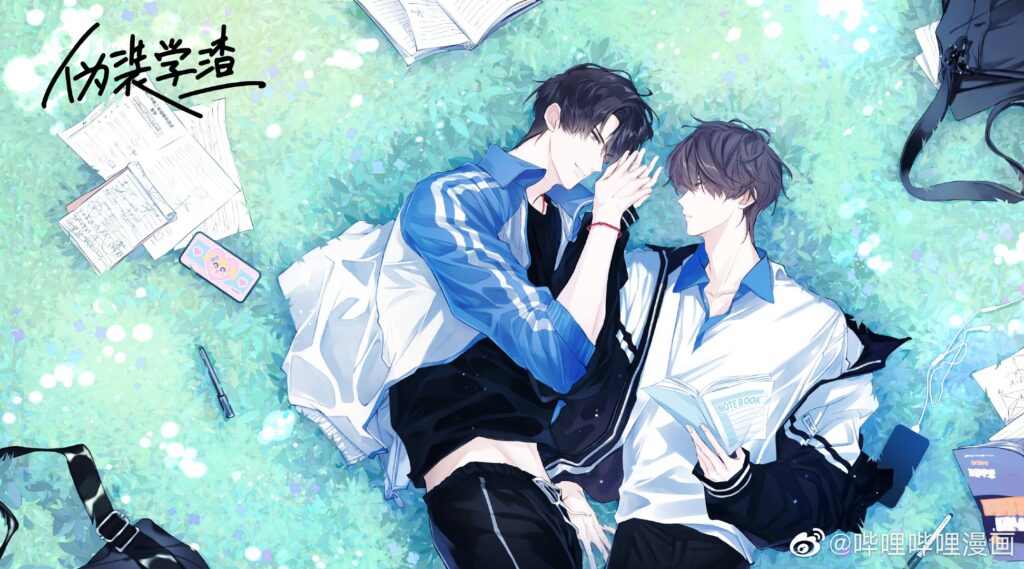
Regarding class issues, works like “撒野” and “伪装学渣” present striking contrasts between rich and poor – depicting romances between rural left-behind students and urban elite youth, often featuring detailed portrayals of student loans, part-time jobs, workplace bullying, and school district housing. These narratives directly address the unfair distribution of educational resources and social stratification. Such settings metaphorically highlight the difficulties underprivileged youth face in breaking through social barriers, even including pointed dialogues like “I need to get into a top-tier university (985 institution) to be worthy of you,” exposing the distorted values under China’s highly competitive college entrance examination system.
The stories frequently depict parents threatening to cut off financial support to force their children into heterosexual marriages. These plot elements reflect the prevalence of emotional violence and moral coercion in Asian families, while offering sharp criticism of how traditional filial piety suppresses individual autonomy.
BL Fanfiction
A subcultural phenomenon of derivative works based on male characters from existing original works, with its core focus on exploring emotional possibilities and gender expressions not depicted in the source material. These creative works often employ AU (Alternate Universe) settings to transform story backgrounds or place characters in different worlds like modern, historical, or ABO universes, reconstructing character relationships while preserving their essential traits. Through this form, female creators and readers gain a space for emotional projection to explore gender and power dynamics that are often restricted in mainstream narratives within a safe environment. The BL fanfiction community has developed a unique “keep it within the fandom” creative ethic that emphasizes in-group communication and basic principles of respecting original works.
This cultural phenomenon originated in the 1970s from Star Trek fan circles in Japan and has since developed into a complete global ecosystem. In China, BL fanfiction thrives primarily on platforms like LOFTER and AO3, serving both as emotional compensation for sexual minority groups and as an ongoing discussion about copyright boundaries and creative freedom. By subverting the gender power structures of mainstream narratives, BL fanfiction has become an important medium for subcultural groups to express self-identity and social critique.
Ancient BL fictions have more commercial value
Ancient BL novels, with their historical settings and fantastical elements, inherently circumvent real-world political censorship risks more effectively. These works employ metaphorical power dynamics through cultivation hierarchies and sect rivalries—satisfying readers’ fantasies about taboo relationships while avoiding direct social critique through their fictional nature. For instance, Mo Dao Zhu Shi uses “ghostly cultivation” to allegorize marginalized groups, yet its xianxia framework enables widespread dissemination. In contrast, modern BL works directly address societal pain points like class division and workplace discrimination, whose realistic critical nature often triggers regulatory mechanisms, consequently limiting commercial development.
Ancient BL enjoys higher IP conversion rates due to worldviews with innate potential for gamification and adaptation. Core mechanics like “golden core/nascent soul” cultivation systems can be directly translated into mobile game power values, sect maps suit open-world game requirements, while period aesthetics lend themselves more readily to visual monetization through costumes and sets. Modern BL, however, suffers from diminished imaginative space in urban settings, with realistic themes facing content modification risks—as evidenced by the 2021 takedown of multiple campus BL dramas deemed “incompatible with socialist core values,” confirming the commercial safety advantage of ancient settings. This “depoliticized” fantasy narrative proves precisely why ancient BL maintains stronger commercial viability.