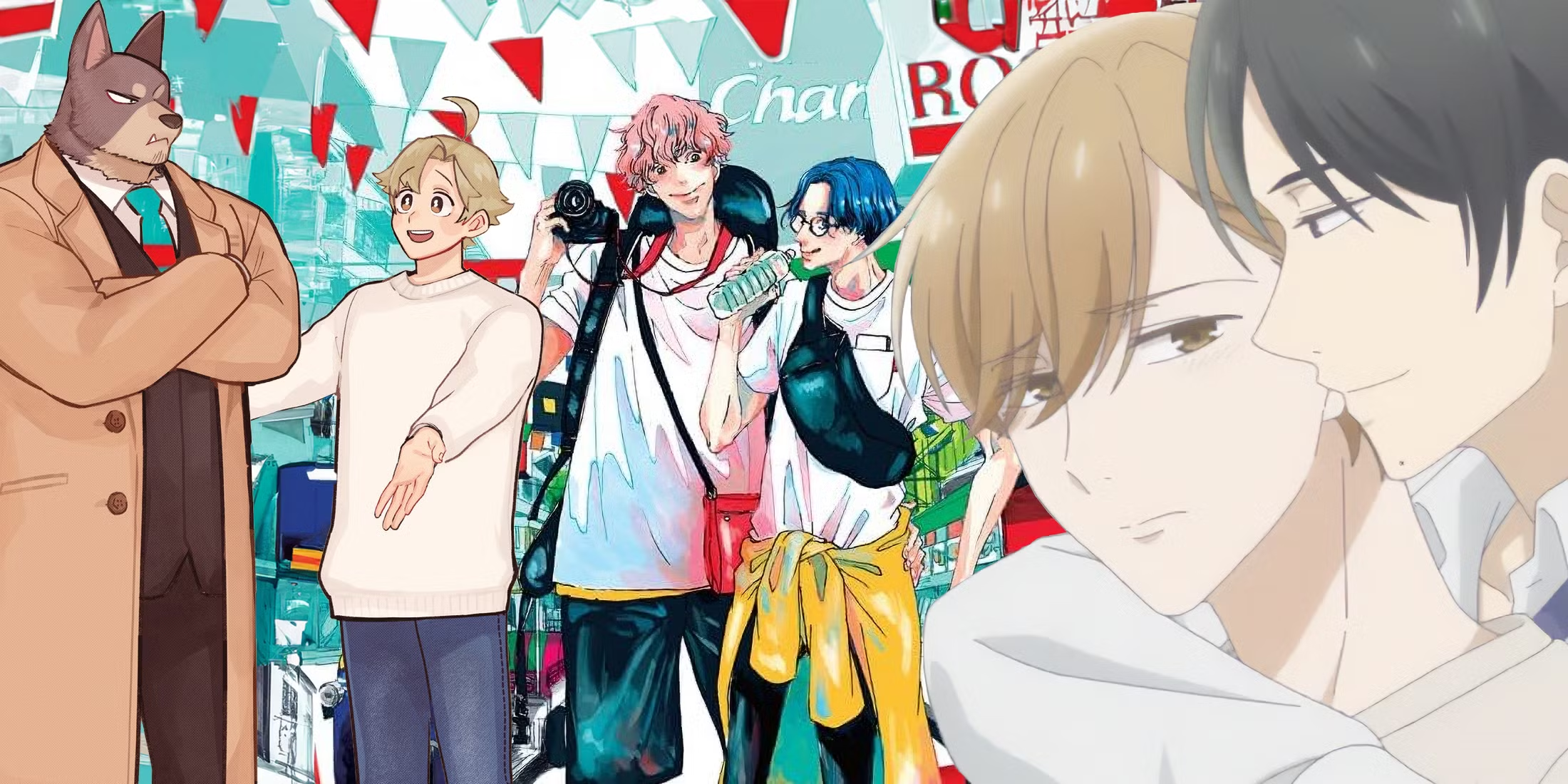
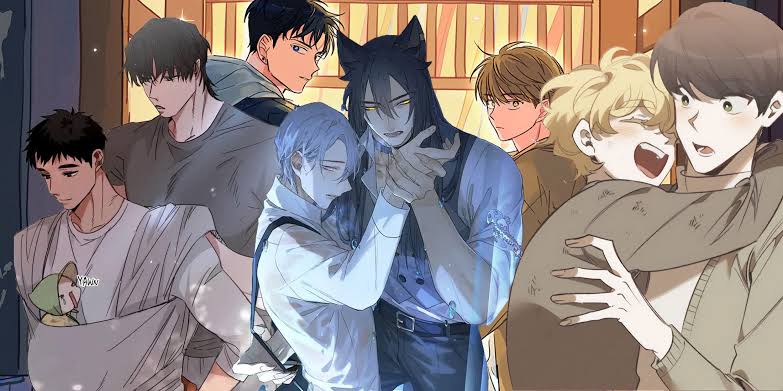
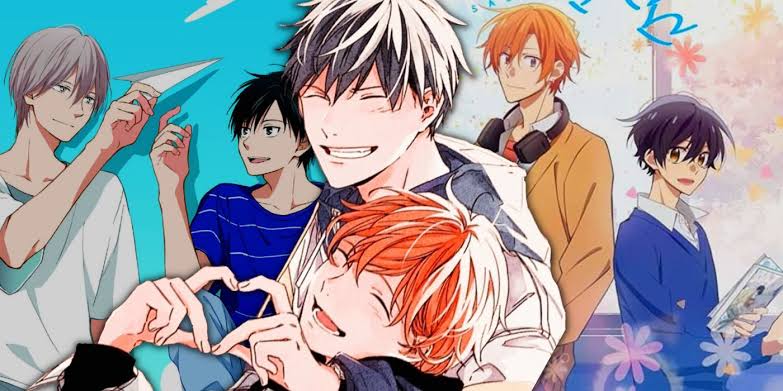
“The Pink Code: An Asian BL Adventure”
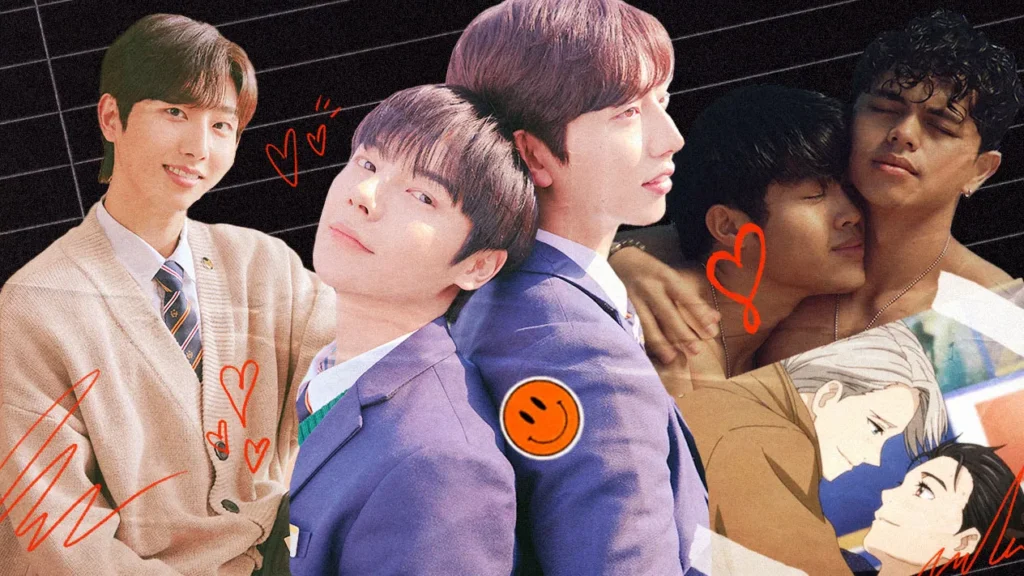
“Boys’ Love Lights: An Asian Cultural Odyssey!”
“From Japan to Thailand: How BL Thrives Amidst Censorship and Culture Clashes”
In recent years, Thai “Boys’ Love” (BL) television dramas have suddenly become popular around the world, attracting a large fan base. For example, the series 2gether, which tells the love story of two male university students, has gained huge popularity not only in Thailand but also internationally, thanks to its official YouTube channel with English subtitles. It even topped Twitter’s global trending list at one point. With the help of streaming platforms and satellite channels, Thai BL dramas have gradually built up a loyal following in places like Japan as well.
In fact, BL originally started in Japan, first as a subgenre of manga and anime, before gradually spreading to other Asian countries. Places like Thailand, China, Taiwan, and South Korea have all developed their own unique styles of BL works, with each region’s path reflecting its own social environment and cultural attitudes toward the LGBT community.
But how did BL first emerge in Japan, and how has the genre evolved over time?
What is BL? And why is the whole world obsessed?
In Japan, a niche genre called Boys’ Love (BL) was born. Simply put, it’s stories about boys falling in love with each other!❤️
But here’s the twist: BL wasn’t originally made for gay men—it was created by women, for women, filled with romance, sweetness, and just a hint of heartbreak.
Fast forward a few decades, and BL has spread like a virus (okay, a love virus) across Korea, China, Thailand…
Today, it’s a full-blown cross-border sugar rush!🍬
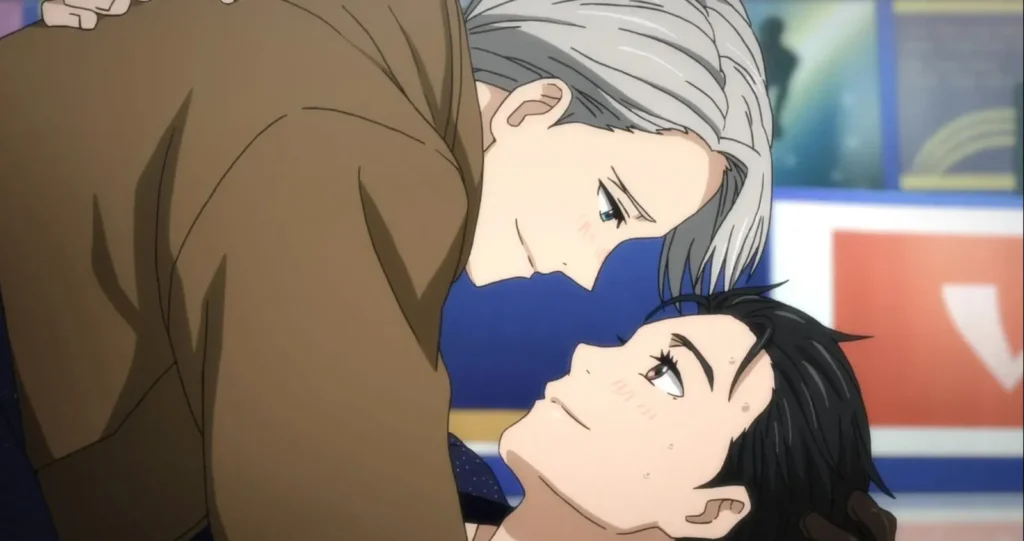
Japan: The birthplace of BL — but the neighbors pretend not to notice
Japan is the proud origin of BL, yet strangely enough, major broadcasters like NHK treat it like an invisible ghost.
Officially: “I see nothing!”
Unofficially? BL thrives in secret gardens: R18 zones, hidden manga shelves, and late-night anime slots.
Want it? It’s there. But you’ll have to find it yourself.
In short:
Japan’s attitude toward BL is basically — “It’s fine, just don’t flaunt it!”
Korea: Playing the edge, sneaking it in
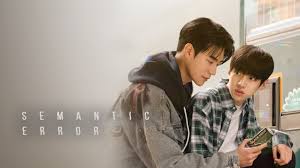
“Semantic Error”
Under Korea’s Youth Protection Act, homosexual content = rated 19+.
But that doesn’t stop the clever entertainment industry!
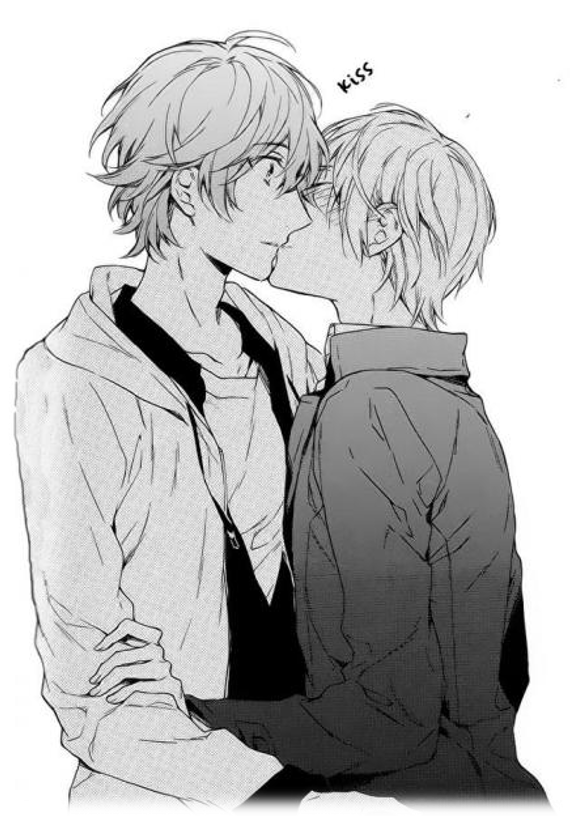
Enter the magical word: Bromance.
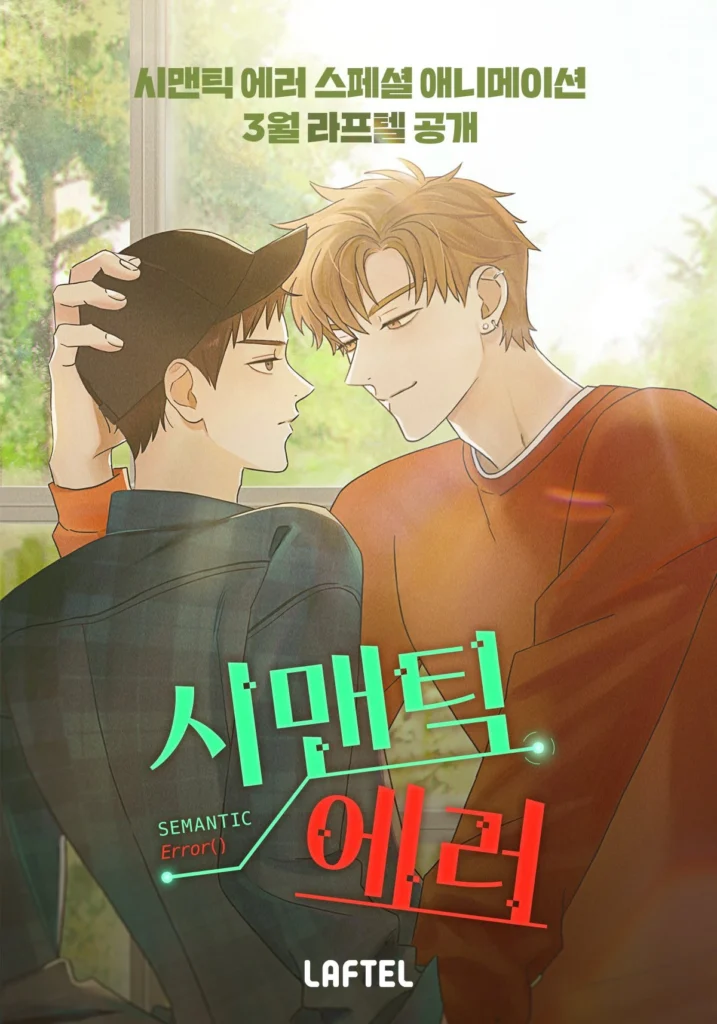
Take hits like Semantic Error—packed with flirty, heart-pounding moments—yet officially marketed as, “Just good friends, we swear!”
It’s a case of: Straight in the streets, BL in the sheets.
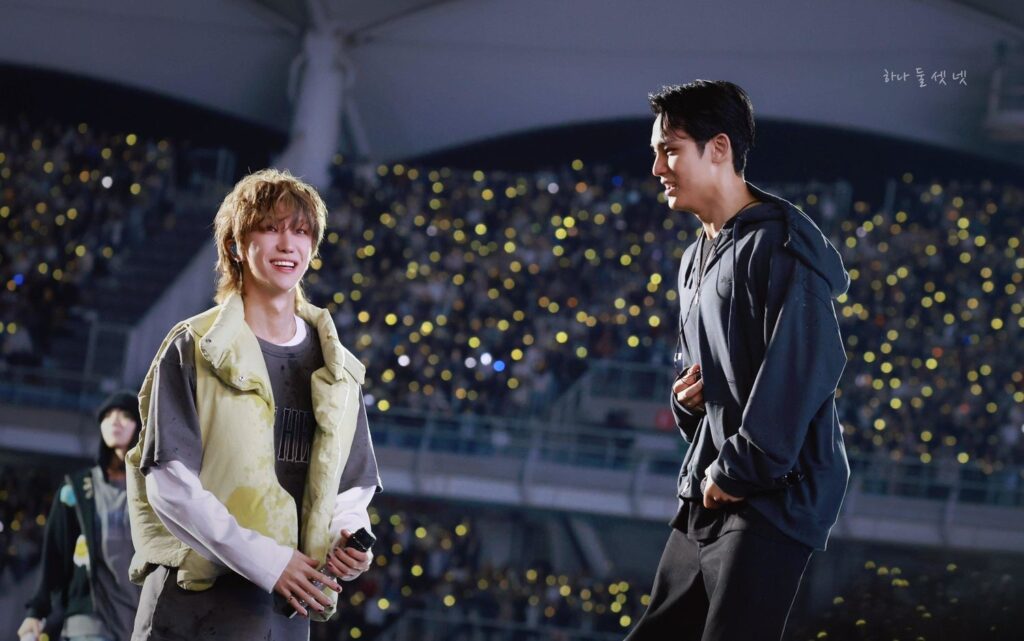
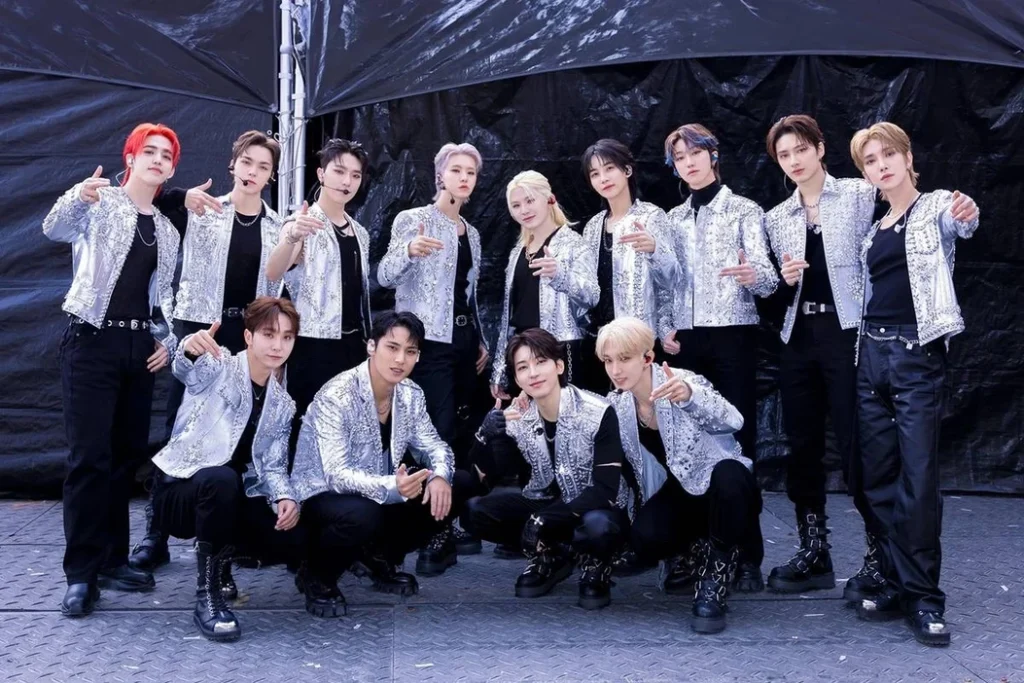
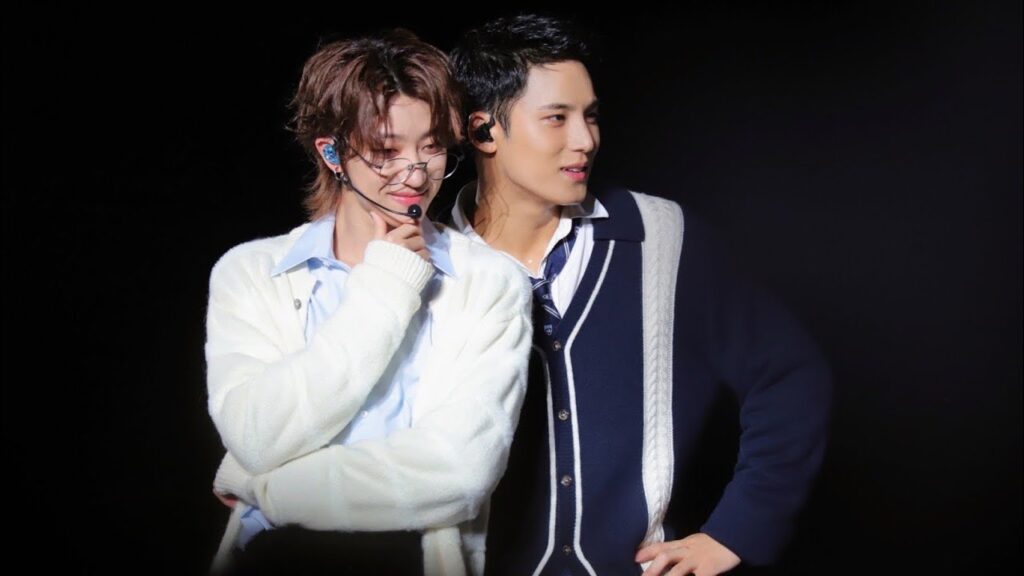
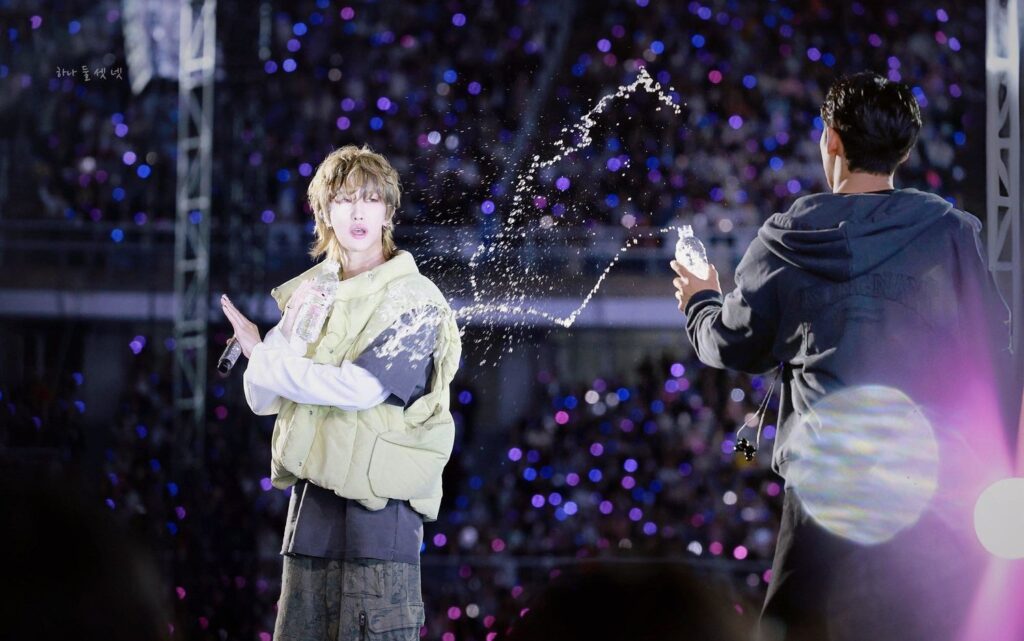
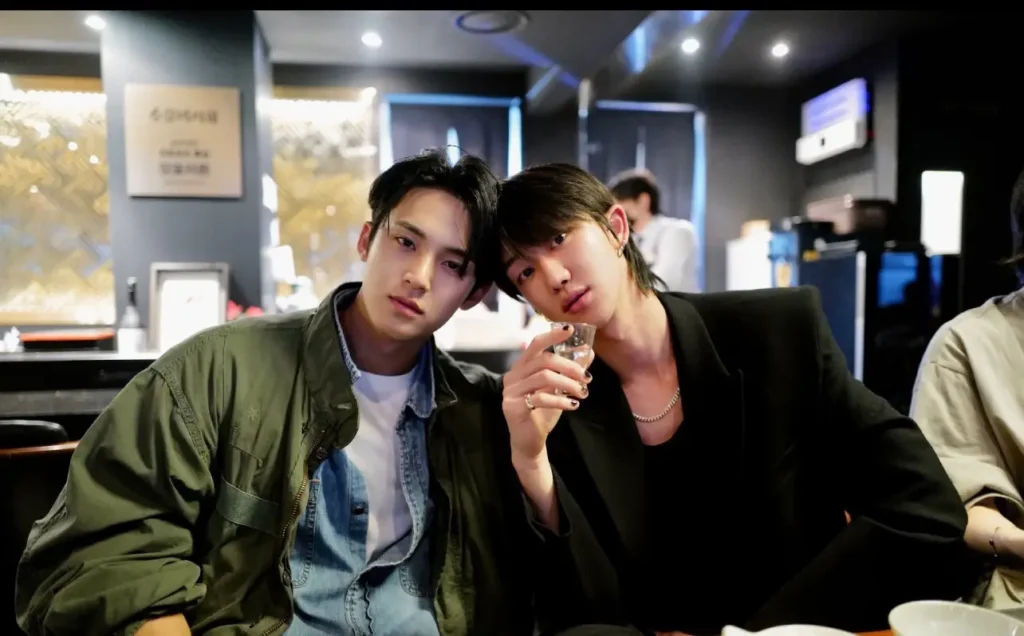
Meanwhile, in K-pop, fans practically live off shipping their idols, creating an invisible BL fog that’s everywhere. (Seventeen’s cp below)
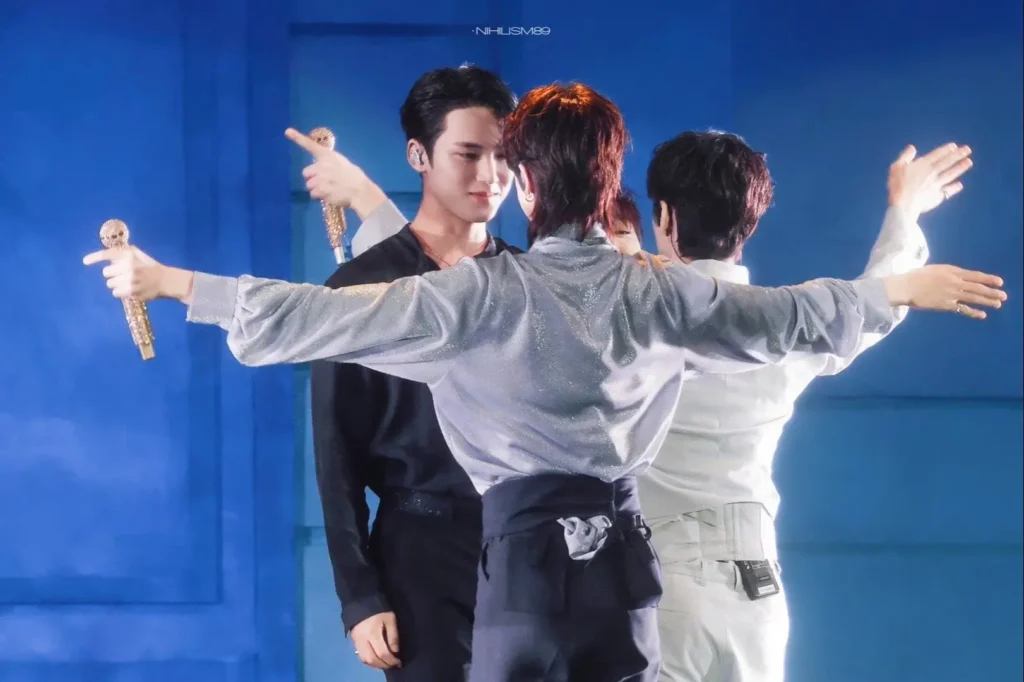
Thailand: Government-approved fangirling, fans getting rich
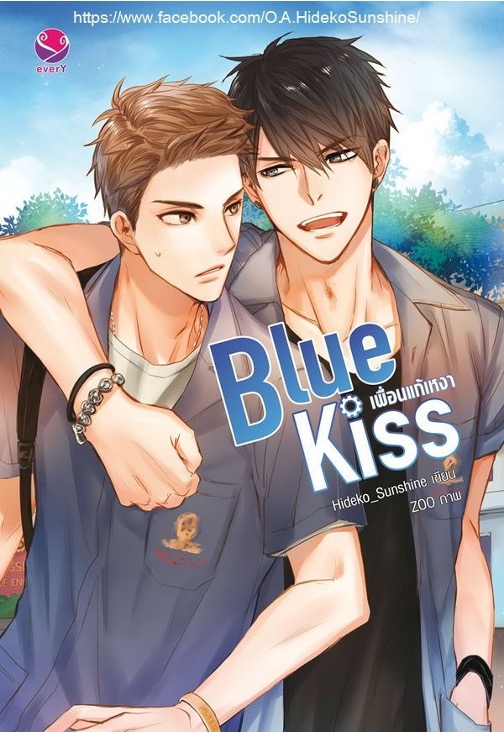
“Blue Kiss”
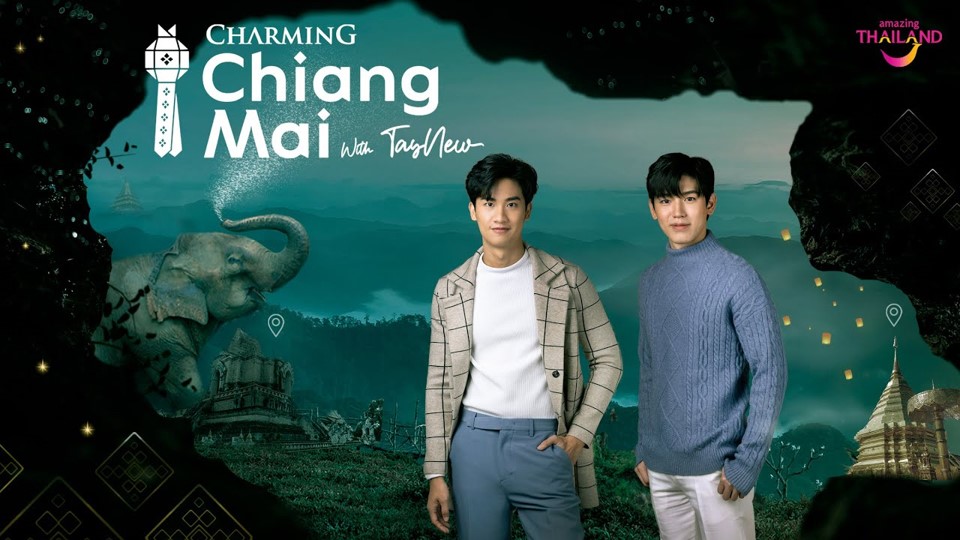
While other countries tiptoe around BL, Thailand puts it on a pedestal!
Not only is BL openly embraced, the Thai government even invites BL stars to promote tourism.
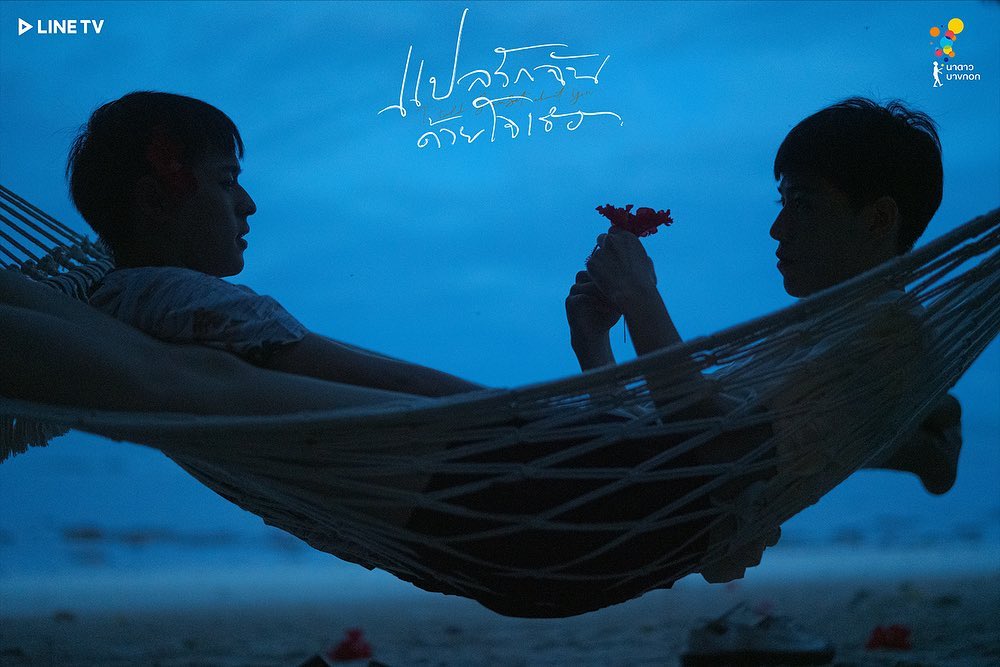
After dramas like I Told Sunset About You, Phuket flights practically sold out overnight.
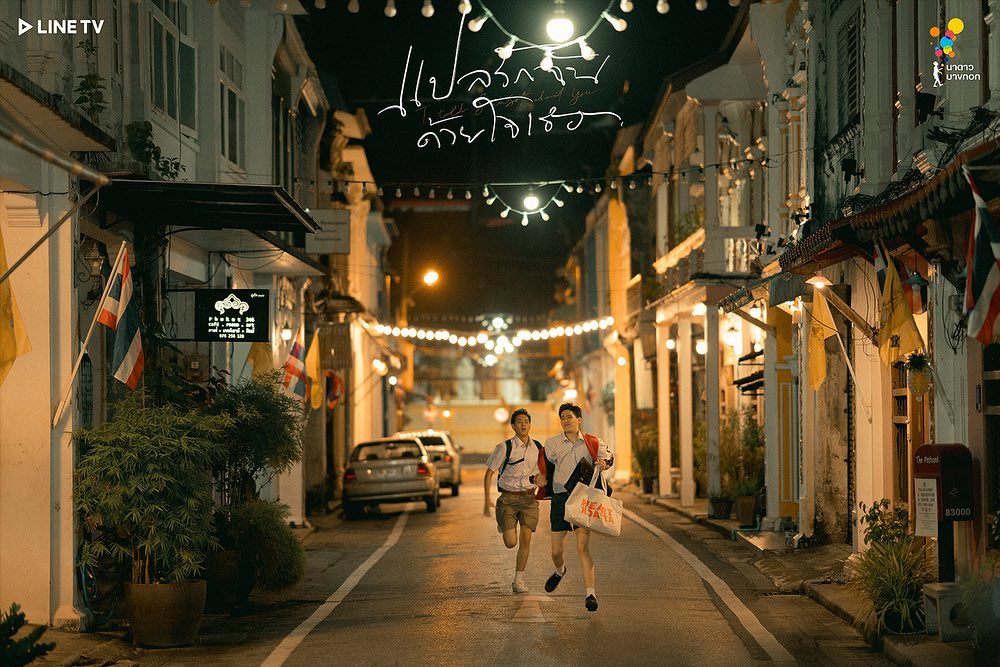
But behind the sweet screen lies a tougher truth:
While BL is national treasure material, Thailand’s real-world LGBTQ+ community is still fighting for full rights.
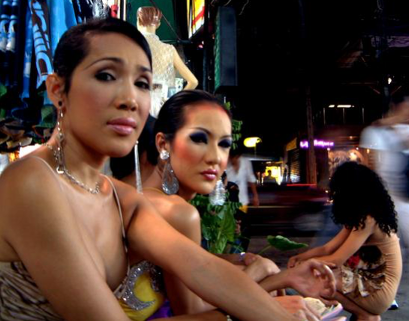
Kathoey on the streets of Bangkok
•Often translated as “ladyboy” but this is a misnomer (not always cross-dressing)
•A phuu ying spirit in a phuu chaai body
•Thus, “natural” partner of kathoey is a heterosexual man (phuuchaai) or heteronormative gay man ([gay] khing [chaai])
•Used in lakorn as comic relief or as “romance counsellors”
•Similar in use to onê kyara in Japanese pop culture (but NOT in BL)
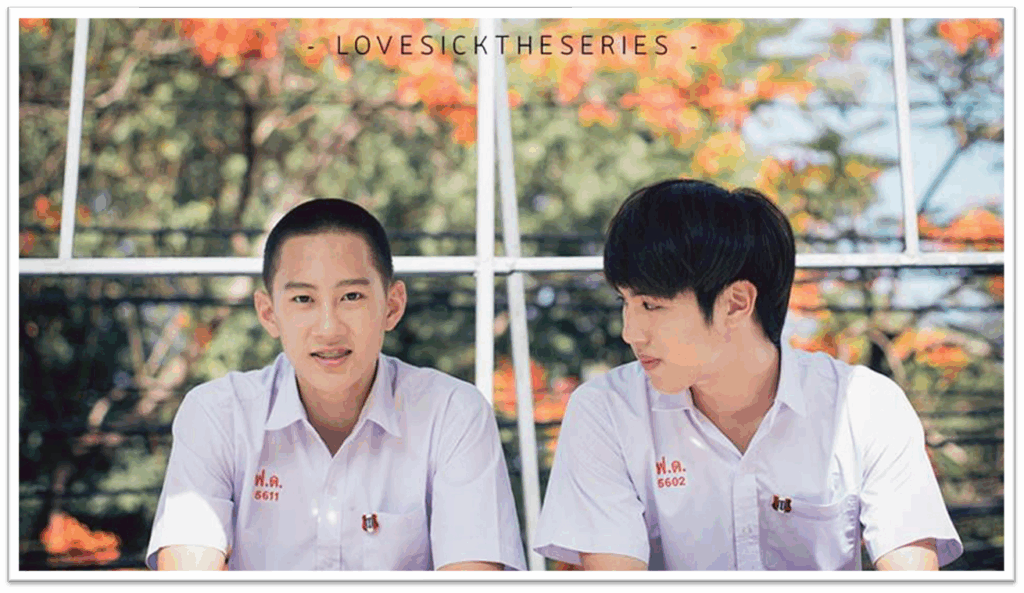
Bottom line: BL is a crown jewel, but equality is still the final boss.
China: Officially banned, underground obsession
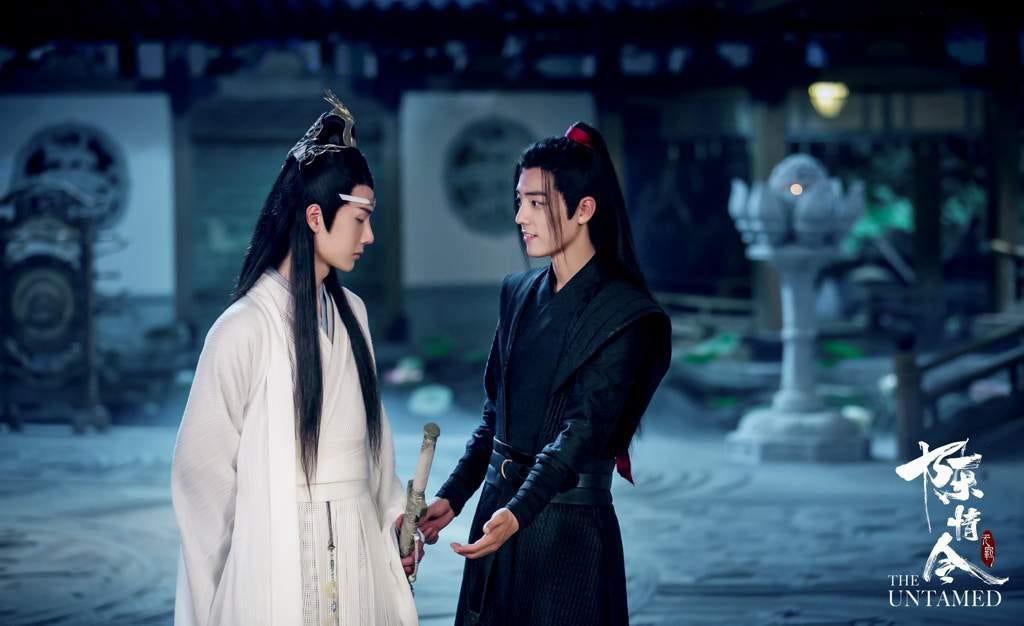
In China, BL once soared in popularity (think The Untamed).
But in 2021, the government cracked down hard, targeting “effeminate culture” (Niangpao 娘炮/Sissy Men) and wiping many BL works off the map.
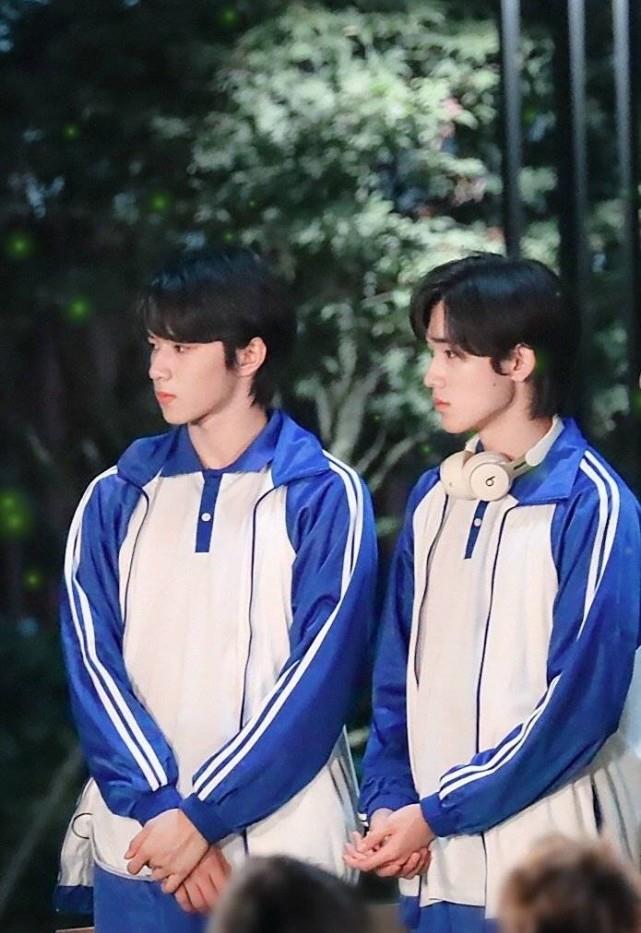
Did fans give up? Absolutely not. VPNs, encrypted group chats, private fan subs—BL guerrilla warfare was born.
Overseas students even became cultural couriers, smuggling the latest Thai, Korean, and Japanese dramas back home.
In short: Loving BL became an undercover mission.
BL Culture Scholar Showdown! Where Academia Meets Memes
Q1: Is BL just a copy-paste of real-life gay culture?
A1:
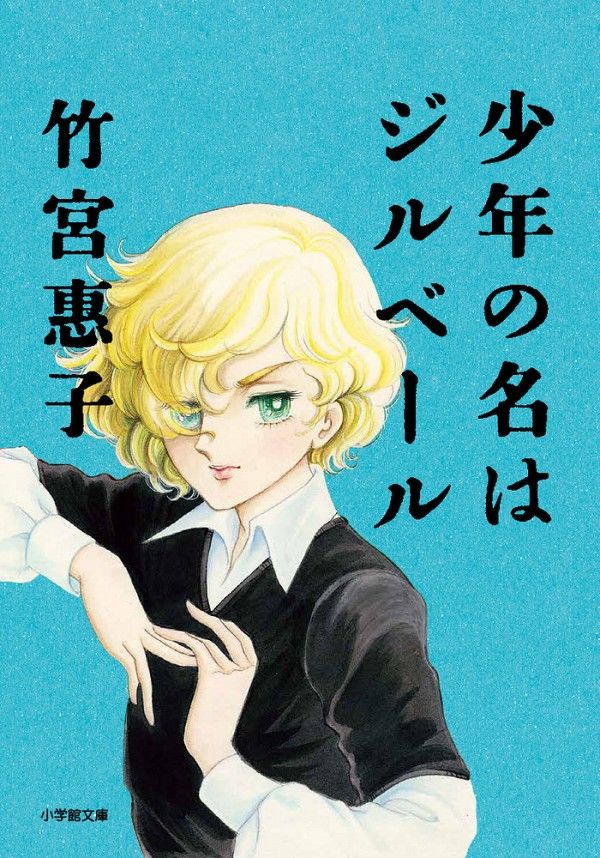
Nope! BL is essentially a “female gaze laboratory.” Back in the 1970s, Japan’s “Year 24 Group” of female manga pioneers created the “shounen-ai” genre, using aestheticism to deconstruct gender power dynamics. According to research by Tokyo University’s Chizuko Ueno, fujoshi (腐女) communities engage in “safe desire simulation” through virtual narratives—like playing a dating sim with VR goggles, fulfilling fantasies while dodging real-world ethical dilemmas. Of course, modern BL has evolved into hardcore worldbuilding with ABO dynamics and哨向 (sentry-guide) tropes, rivaling cyborg theory in sci-fi (laughs).
Q2: Why has Chinese BL web fiction become an industrial empire?
A2:
Let’s bow to China’s internet boom! When Jinjiang Literature City launched in 2003, The Lord of the Rings was still on DVDs, but girls were already serializing “beautiful-strong-tragic” sagas on forums via 2G speeds. Per Asian Pop Culture Studies, China’s BL market exceeds ¥5 billion, fueled by:
1️⃣ Emotional compensation: When real-life dating feels as cutthroat as Beijing’s Haidian Huangzhuang district, 2D boyfriends offer customized fantasy.
2️⃣ Creative empowerment: Female authors weaponize their pens to evolve CEOs from “hey girl” cringe to “professor, bite my Adam’s apple gently.”
3️⃣ Capitalist sorcery: From VIP chapters to paid audio dramas, fangirls monetize love like China builds highways—relentlessly.
Q3: Are fujoshi commodifying gay men?
A3:
Academic war zone alert! British scholar Fujimoto Yukari’s “BL Trilemma” explains:
🔸 Idealists: “We’re shipping egalitarian relationship blueprints! Gender revolution!”
🔸 Critics: “Reducing real LGBTQ+ lives to tropes? Heteronormative colonialism!”
🔸 Chaos agents: “Idk man, their bed scenes look like my failed Lego Death Star.”
Most fujoshi distinguish fiction from reality like beef jerky fans who hate bullfighting. Pro fanfic writers even add disclaimers—”DO NOT associate with real people”—more meticulous than peer reviews.
Q4: Why do BL tropes like “kabe-don” or “mating cycles” defy science?
A4:
Great question! This taps into communication theory’s “high-concept symbolism.” When women subvert traditional romance frameworks:
- Kabe-don (wall slam) = Physically compressing social hierarchies.
- Scent-marking = Romanticizing biological instincts (take that, Darwin).
- 带球跑 (pregnancy trope) = Dramatizing reproductive autonomy.
As Fudan University’s Liang Yong’an says: “BL is women’s extreme stress-testing of intimacy.” Scientists may deny Alpha pheromones exist—but hey, Newton never met a sword-flying xianxia prince either!
Q5: What cultural DNA defines Chinese/Japanese/Korean BL?
A5:
Geography class, but make it gay:
🇨🇳 China: Jinjiang ≈ Hogwarts Ministry of Magic
- Tropes: “Socialist brotherhood,” immortal bureaucracy drama, “chase-your-wife-into-a-crematorium” angst.
- Secret sauce: Empresses in the Palace politics + Dream of Red Mansions aesthetics + Zhihu-level debates.
🇯🇵 Japan: BL manga masters of “ma” (negative space)
- Tropes: Train molesters turned lovers, yakuza dads with daycare skills, Showa-era melancholy.
- Brainy twist: Osaka Uni research claims “seme/uke dynamics mirror Japan’s seniority system… but gayer.”
🇰🇷 Korea: K-BL weaponizes idol factory logic
- Tropes: Boyband-style “are-they-dating” cinematography, kimchi-flavored CEO romances, mandatory rain-soaked fever cuddles.
- Stats: 2022 K-BL investments ↑300%, but男主腹肌厚度 (ML’s abs) inversely proportional to Douban ratings (allegedly).
Q6: Is BL cultural progress or brain-rotting escapism?
A6:
Trick question! The LSE’s 2023 paper From BL to Metaverse: Cyberfeminism’s 3D Breakout says:
✅ Progress: Lets women reconstruct desire beyond the “male gaze”—see The Untamed rewriting idol economics.
⚠️ Caution: Capitalists weaponize “bromance” into韭菜田 (leek fields) for profit—Word of Honorconcert scam, we see you.
🌉 Reality: Some analyze BL like a sociology thesis; others treat it like ASMR. You’ll never know if your BL buddy is writing a dissertation or just screaming into a pillow!
(adjusts glasses) Congrats, you’ve earned your “BL Cultural Anthropology” credits. Class dismissed! 🎓
Translator’s Notes:
Zhihu = China’s Quora, known for verbose debates.
“Haidian Huangzhuang” = Beijing’s ultra-competitive education district, metaphor for “cutthroat.”
“Hey girl” cringe = Refers to viral Chinese “丫头文学” (cringey CEO pickup lines).
“Leek fields” = Slang for exploitative fan monetization (fans are “leeks” being harvested).
Xianxia = Chinese fantasy genre with immortal cultivators.
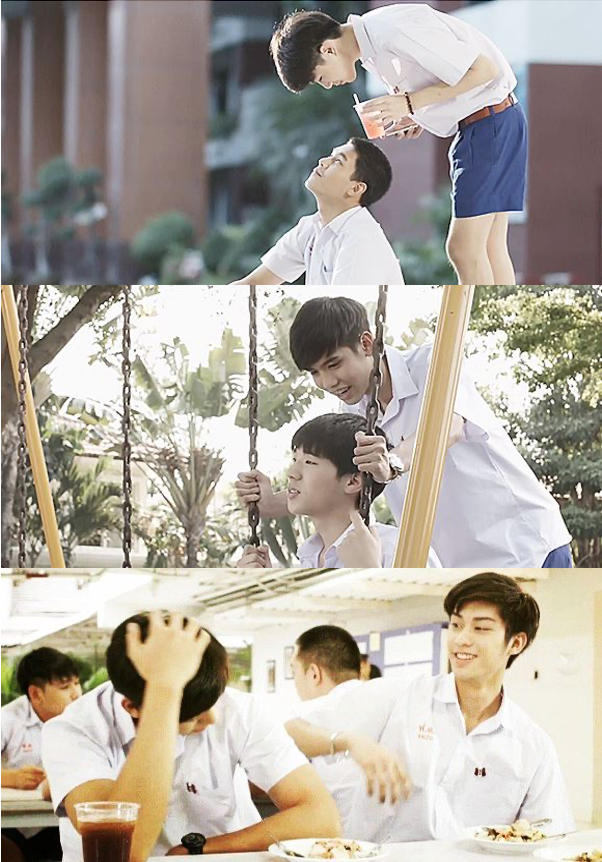
Why BL deserves serious attention
Some say BL is just mindless fun.
But dig deeper, and you’ll see BL reflects Asia’s tangled debates about gender, love, and power:
- Some countries repress it, others capitalize on it.
- Some people enjoy it, others resist through it.
- Some use BL as an escape, others use it to challenge the system.
So don’t underestimate this pink revolution—
BL is a mirror, reflecting the heartbeat of a changing Asia.